The Gut Punch Podcast | Why Teens Won’t Talk -And How to Fix It
Episode Overview:
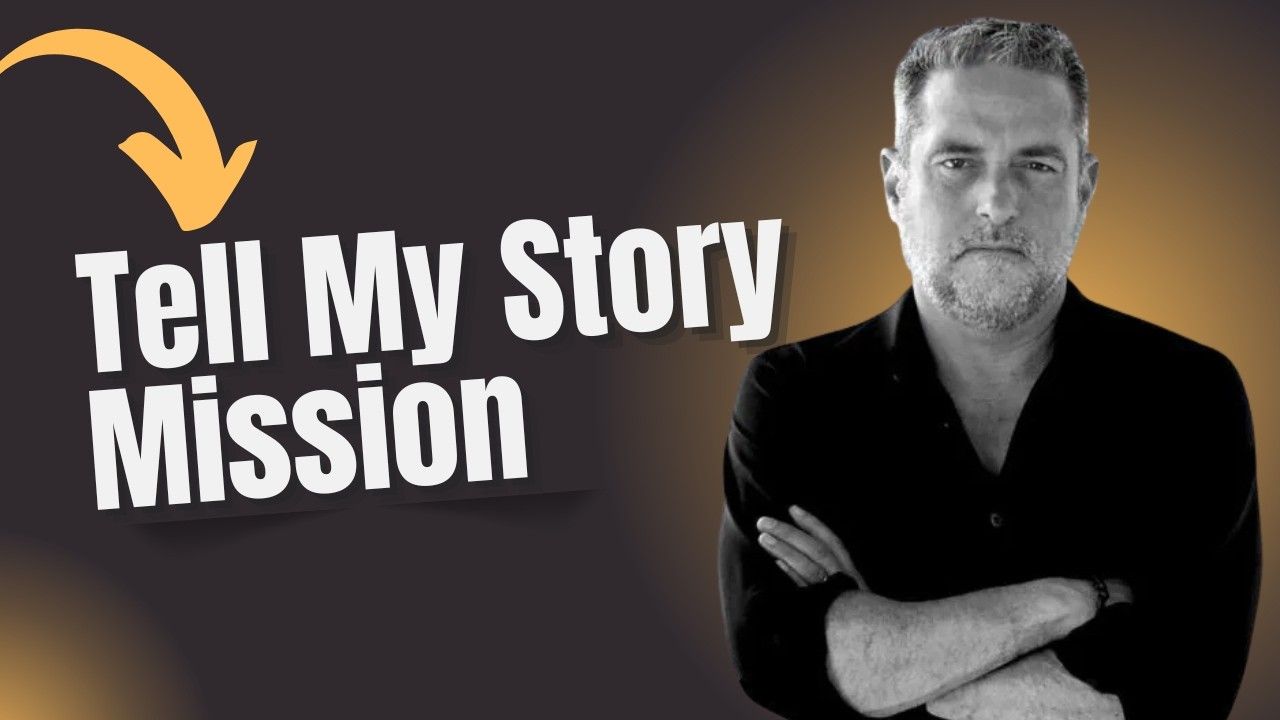
This episode welcomes Dana Christian Lee, Executive Director of Tell My Story, an organization dedicated to suicide prevention and fostering authentic conversations between young people and their families. Dana discusses her own mental health journey, the heartbreaking loss that inspired Tell My Story, and the organization’s evolution from raw storytelling to providing tools for upstream prevention and hope. Kathryn and Dana offer practical guidance for parents, share anecdotes from their work with youth, and examine why presence, curiosity, and vulnerability are key in navigating life’s hardest moments.
5 Key Lessons from This Episode:
1) Communication Builds Connection—Even When It’s Hard
Both adolescents and parents often hesitate to share or ask difficult questions out of fear or worry about becoming a burden. Dana emphasizes that true connection starts with genuine, heartfelt communication—even when those conversations feel uncomfortable. The Tell My Story card game was created to bridge these gaps, offering questions that encourage trust and authentic dialogue.
2) Meeting Loved Ones Where They Are
One major challenge for parents is the urge to ‘fix’ or rescue their child. Dana encourages families to focus on presence and nonjudgmental listening instead. She stresses that change is personal, and often the best way to help is by allowing your child’s experience to unfold while being a steady, supportive presence.
3) The Power of Storytelling and Shared Vulnerability
Dana and Kathryn highlight how sharing our own struggles—especially as adults—can break down walls with younger generations. When parents openly admit to imperfection and talk about their failures, they model resilience and encourage children to do the same. Vulnerability builds connection across generations.
4) Small Steps Cultivate Hope and Resilience
Practicing presence, even for sixty silent seconds a day, can make a difference. Dana notes that self-care isn’t selfish—it’s foundational. By stacking small victories, we move from simply “getting through” to actually loving life. Change isn’t always dramatic; sometimes, it’s about tiny, daily actions that add up over time.
5) Hope and Possibility Are Essential in Addressing Mental Health
After years of seeing the growing mental health crisis, Dana’s new film, “Shift: Do What Moves You,” focuses on inspiring hope and possibility. The episode stresses the importance of shifting narratives away from problem and crisis toward potential, passion, and purpose, reminding listeners that everyone has the capacity to rediscover joy.
If this episode moved you, please subscribe to Gut Punch and share it with someone who could use a reminder of their own resilience. See you next week for another dose of courage and hope!
For more information about Tell My Story: https://www.tellmystory.org/
Produced by the:
Digital Transformation Broadcast Network